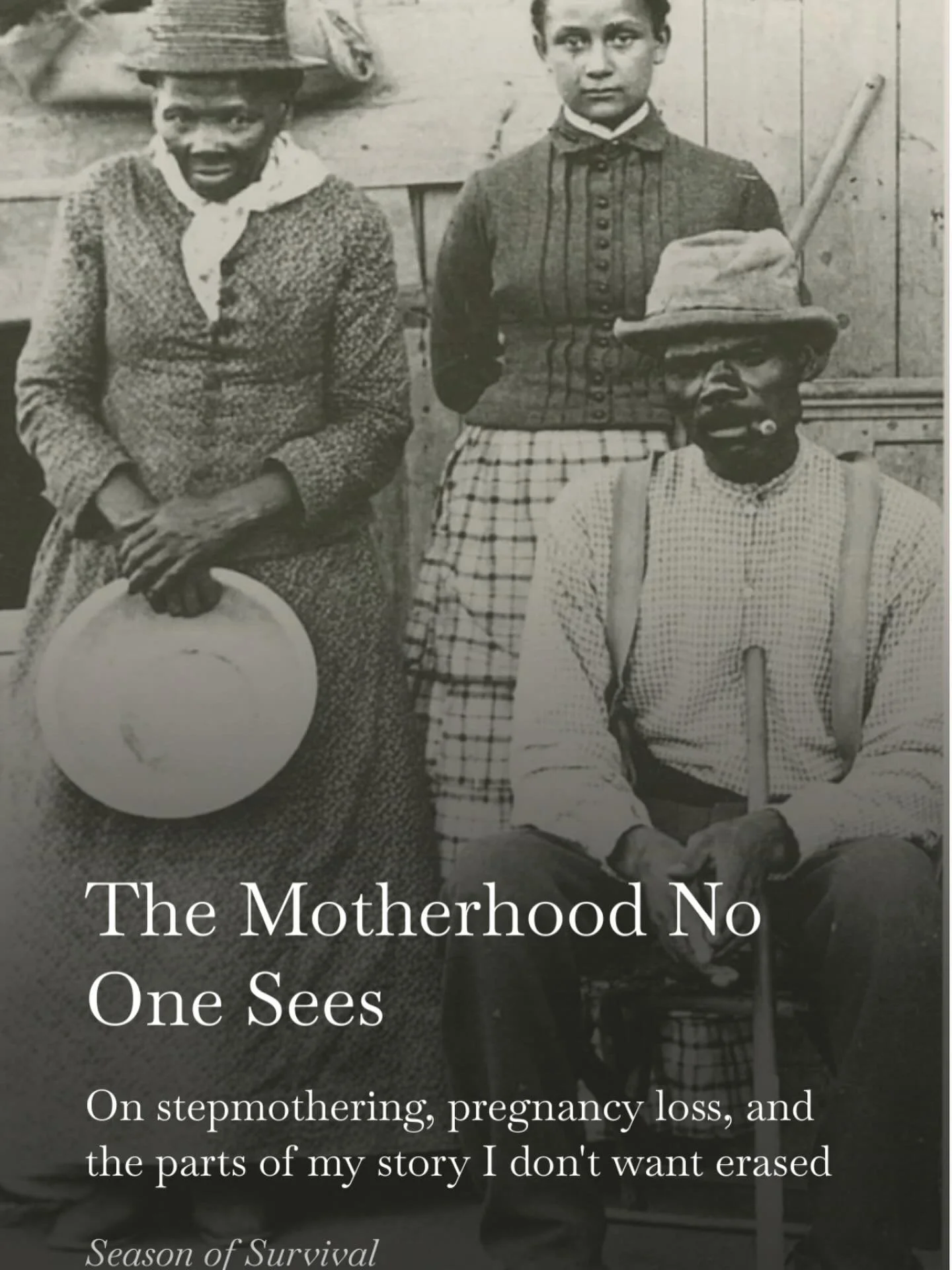
There’s more to my motherhood journey than the two cutest kids in the world that I’m very grateful for, but no one ever really acknowledges that. I wish they would…. Check the substack.
Happy Earth Day!
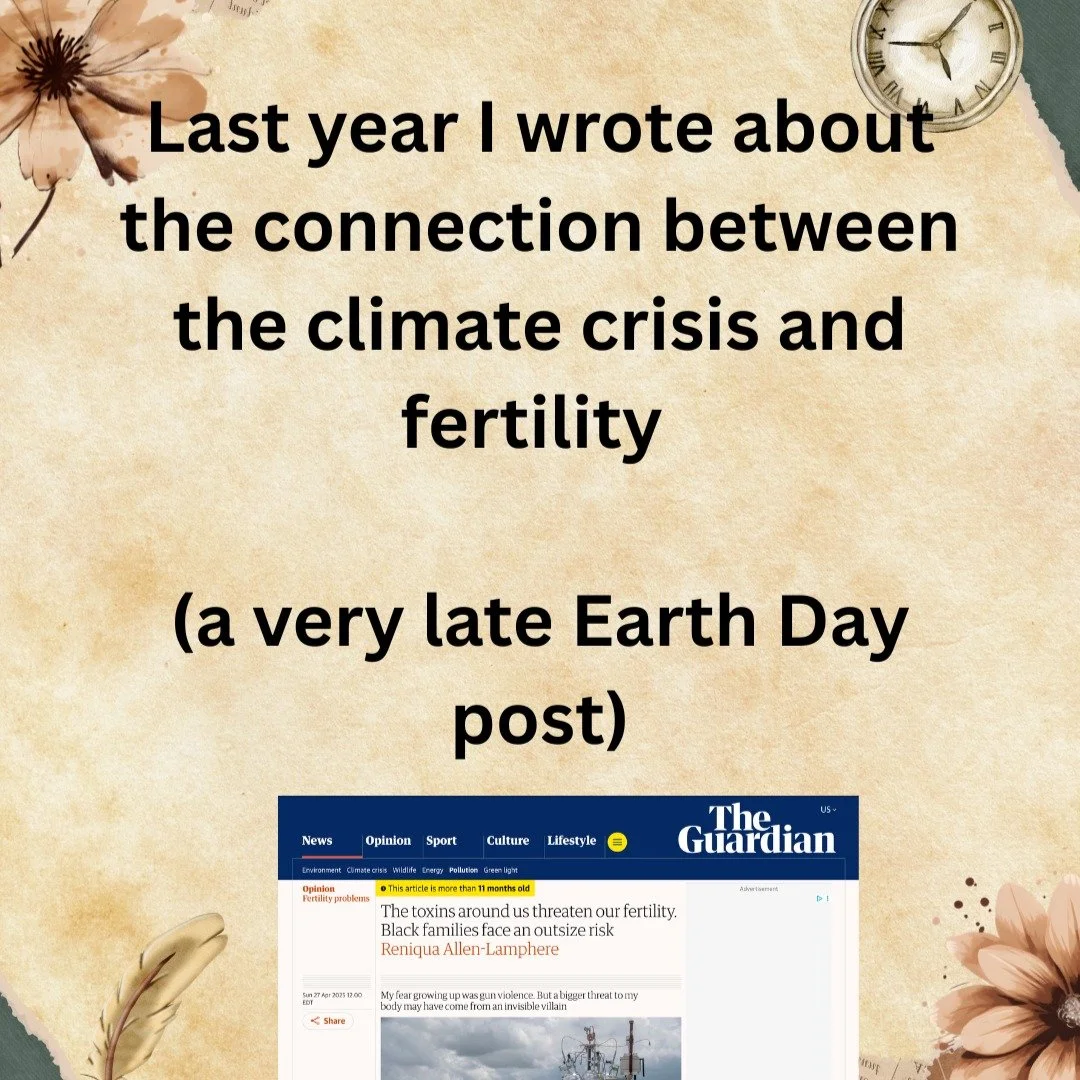
Climate change is a fertility story.
Check out what the Infertile Ground team is pitching at PITCHBLACK next week.
#niaw2026
@blackpublicmedia @resolveorg
A very late Earth Day post.
I wrote this last year, before I realized how deep this story goes.
Climate. Environment. Fertility.
It’s #MoreThan what we’re taught to look for. @resolve @theguardian
#NIAW2026
Infertility is hard enough. Finding a provider who gets you shouldn’t be.
We just launched the Oshun Griot Fertility Providers of Color Directory — free, searchable, built for communities of color navigating infertility. Crowdsourced and growing.
Know a provider who should be listed? Submit them.
oshungriot.com/directory
Infertility is hard enough. Finding a provider who gets you shouldn't be.
We just launched the Oshun Griot Fertility Providers of Color Directory — free, searchable, built for communities of color navigating infertility. Crowdsourced and growing.
Know a provider who should be listed? Submit them.
oshungriot.com/directory
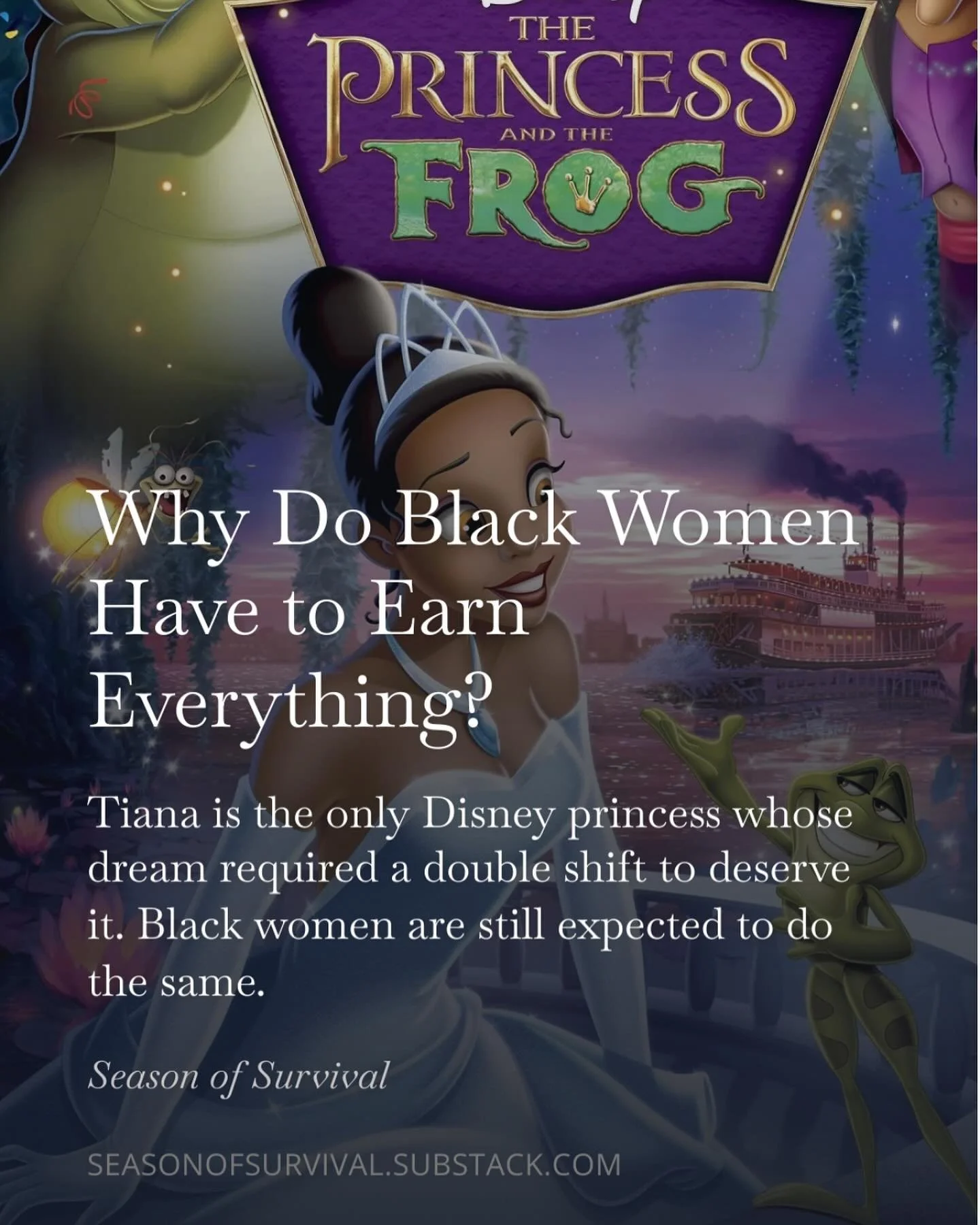
My daughter is obsessed with The Princess and the Frog. And I love Tiana. But she’s the only Disney princess whose dream required a double shift to deserve it.
We do the same thing to Black women when it comes to starting families.
There’s a connection between Black job loss and falling fertility rates that we are not talking about enough. Politicians love talking about the babies we need right now. But are they talking about brown babies? Poor babies? The ones at the intersection of both? Doesn’t seem like it.
I wrote about it for The Hill and on Sub. Link in bio.
Never the end. Always new beginnings. Day 28/28. #oshungriot #blackhistorymonth #reproductivejustice
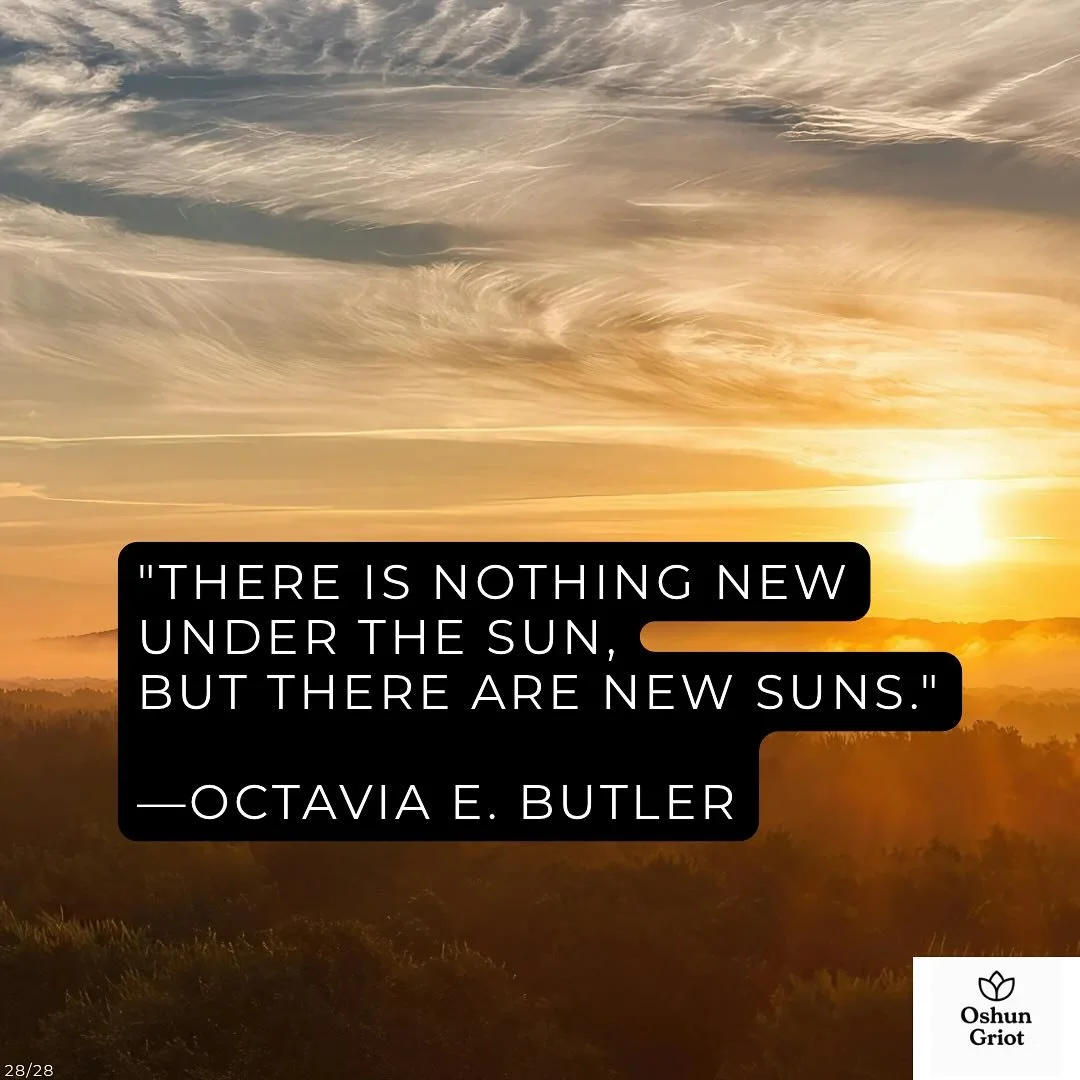
Nothing new under the sun.
Still, new suns rise.
Black History Month, Day 28. #oshungriot
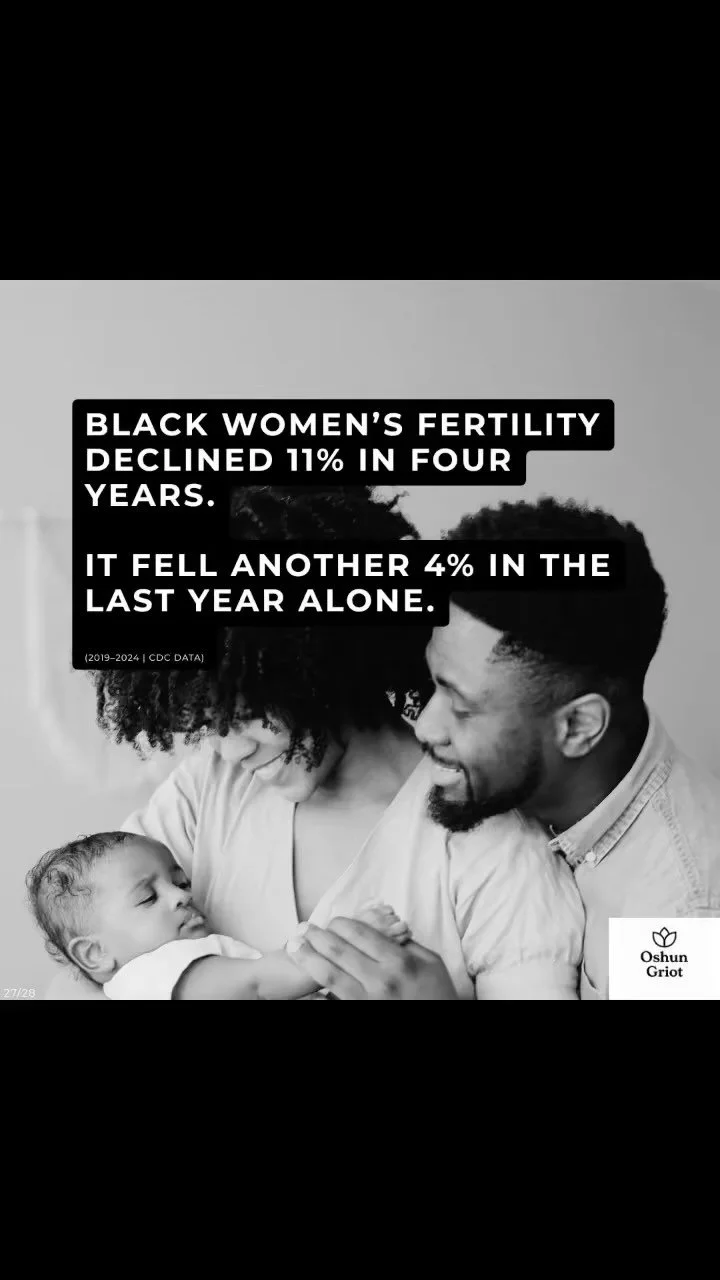
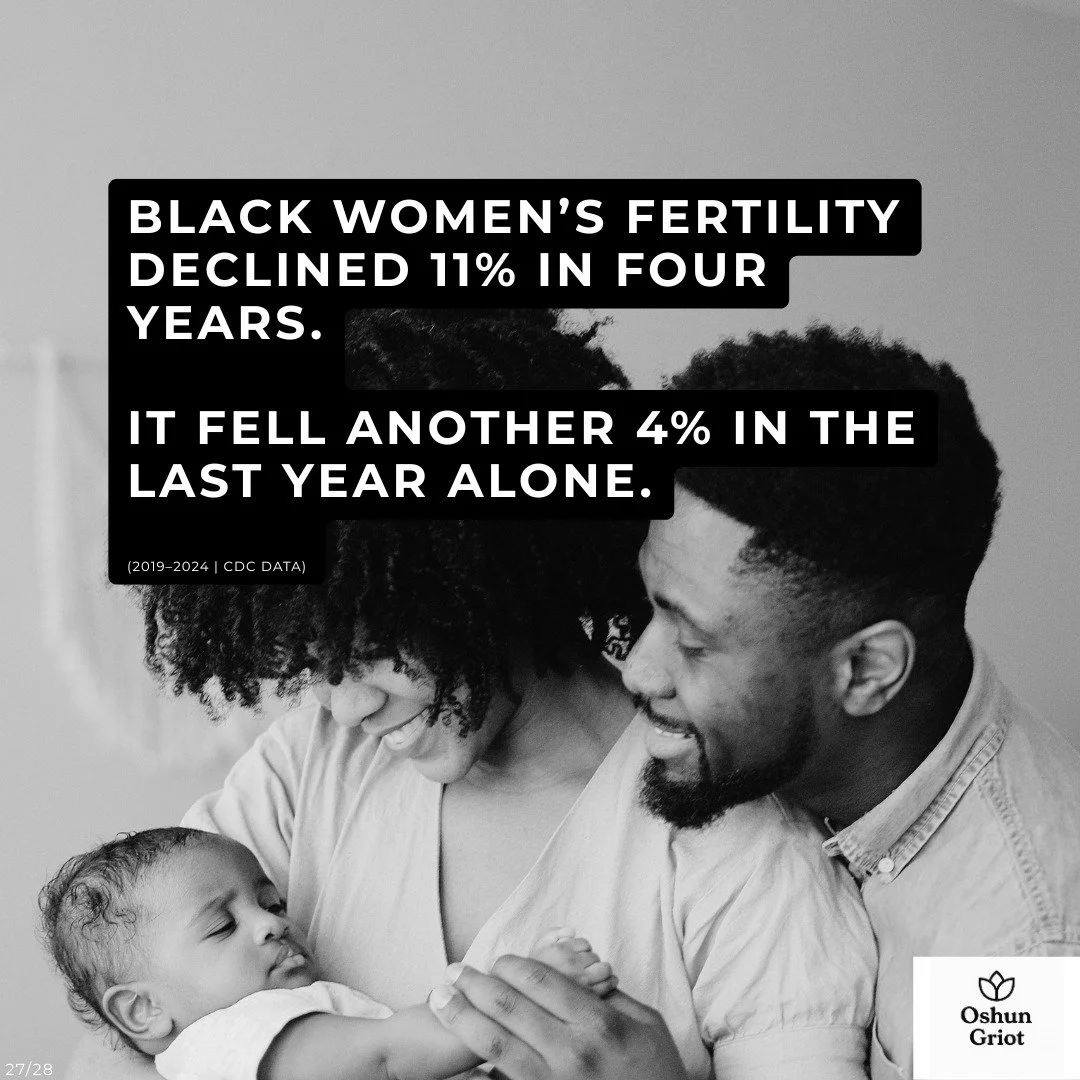
Numbers don’t explain everything.
But they do tell a story.
#blackhistorymonth #oshungriot #reproductivejustice
Numbers don’t explain everything.
But they do tell a story.
#blackhistorymonth
#reproductivejustice
#oshungriot
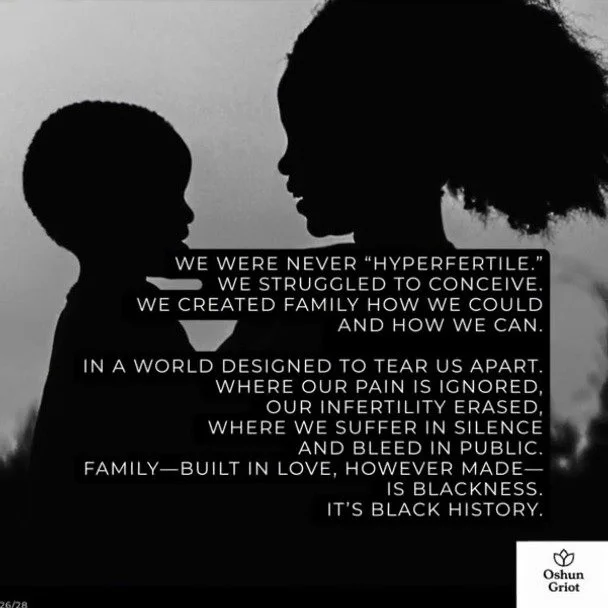
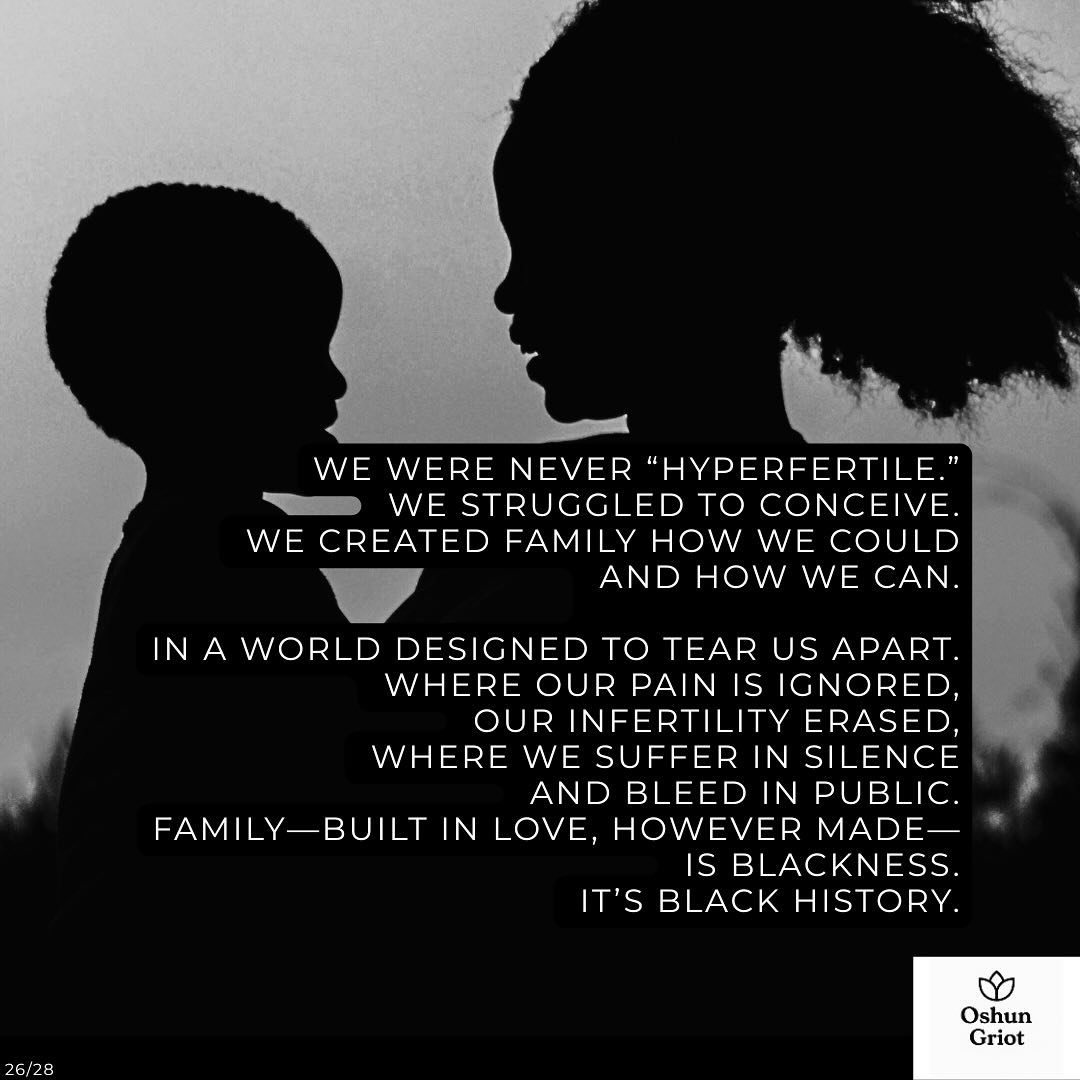
We were never what the myths said we were.
Our stories of fertility, infertility, and family have always been more complex and more human.
This is Black history.
#blackhistorymonth #reproductivejustice #oshungriot
We were never what the myths said we were.
Our stories of fertility, infertility, and family have always been more complex and more human.
This is Black history.#blackhistorymonth #oshungriot #reproductivejustice
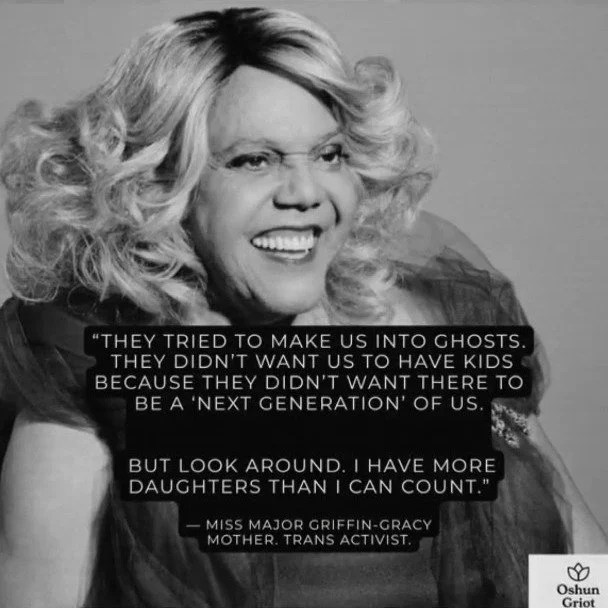
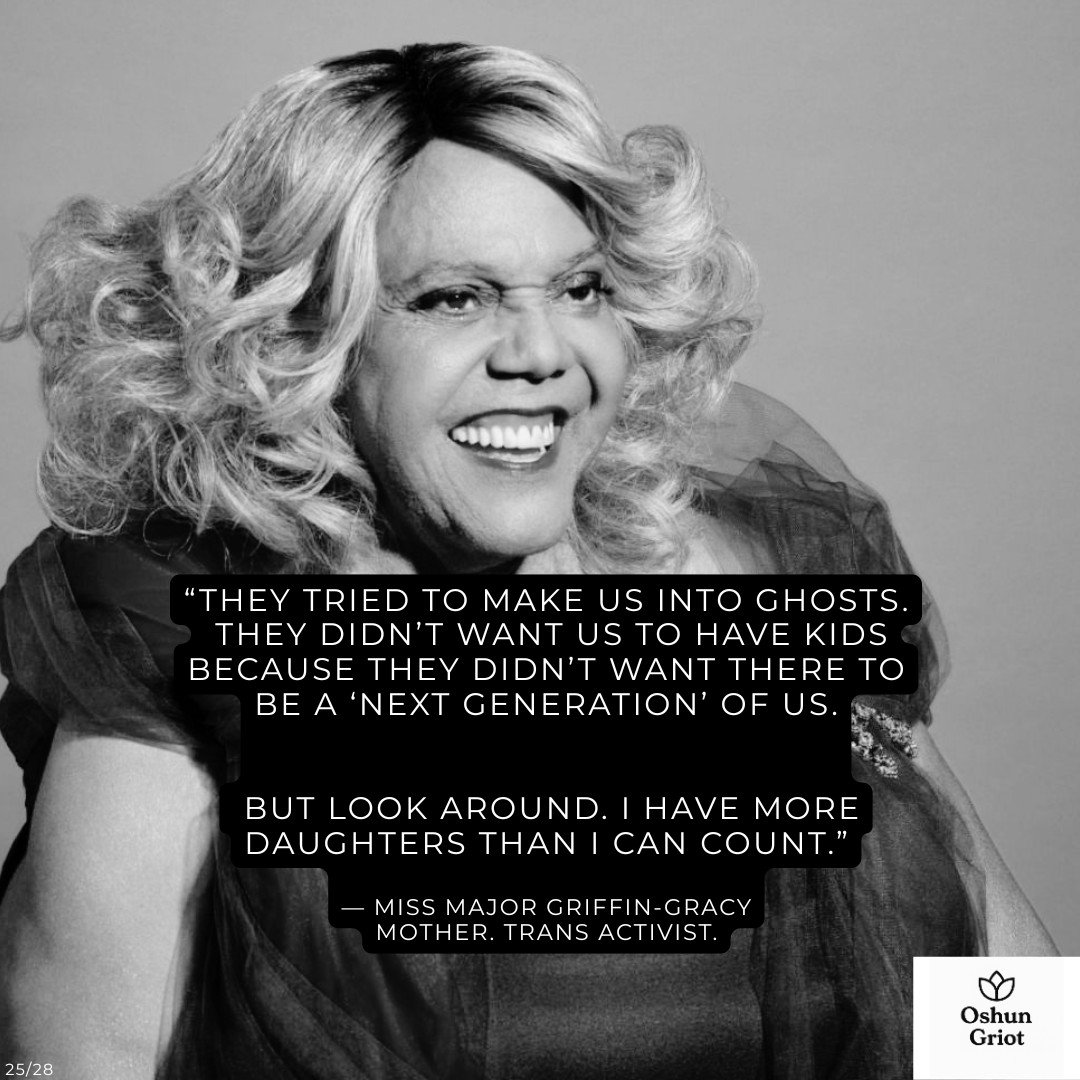
Miss Major reminds us that lineage
survives in bodies, in care, and in community.
#BlackHistoryMonth #OshunGriot
Miss Major reminds us that lineage
survives in bodies, in care, and in community.
#BlackHistoryMonth #OshunGriot
Black women have been saying this. Y'all haven't always listened...
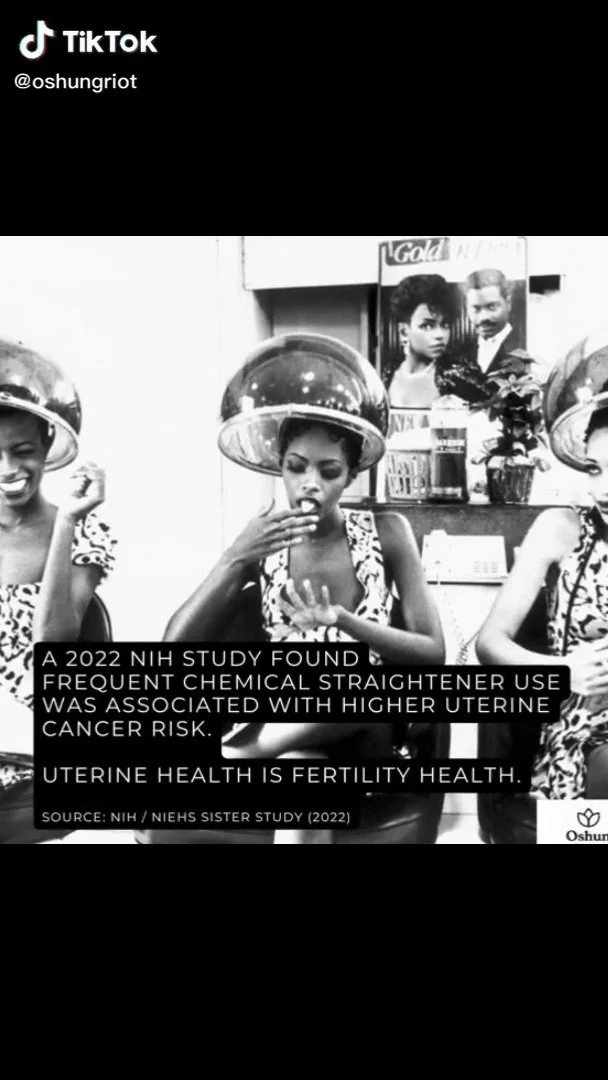
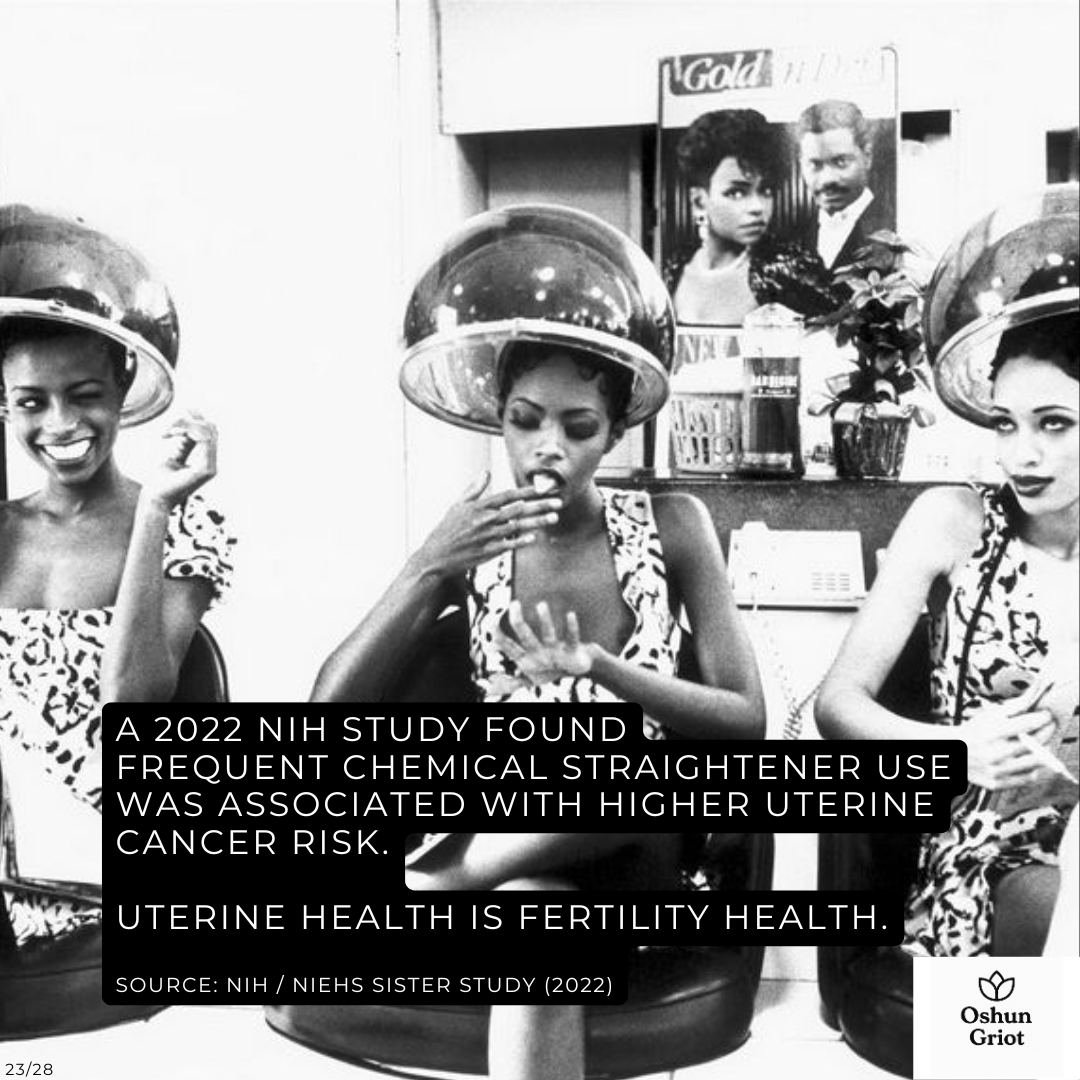
A 2022 NIH study found that frequent use of chemical hair straighteners was associated with higher uterine cancer risk.
Uterine health is fertility health.
#infertility #blackhistorymonth #oshungriot
In 2022, a large study from the National Institutes of Health found that frequent use of chemical hair straighteners was associated with a higher risk of uterine cancer.
This isn’t about blame or individual choices.
It’s about environmental exposure and why uterine health is fertility health.
Sigh.
Source: NIH / NIEHS Sister Study (2022)
#FertilityHealth #UterineHealth #EnvironmentalHealth #OshunGriot
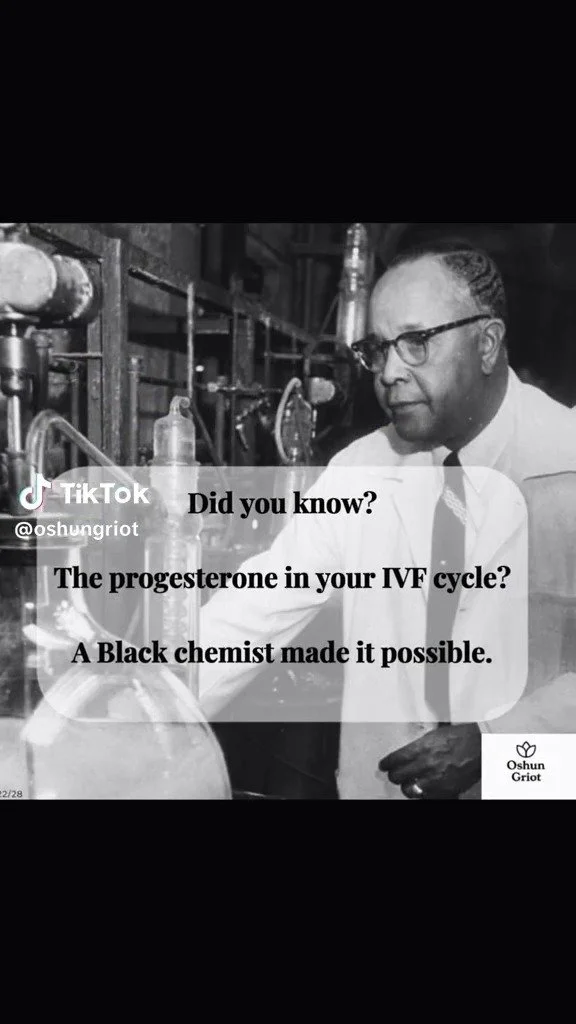
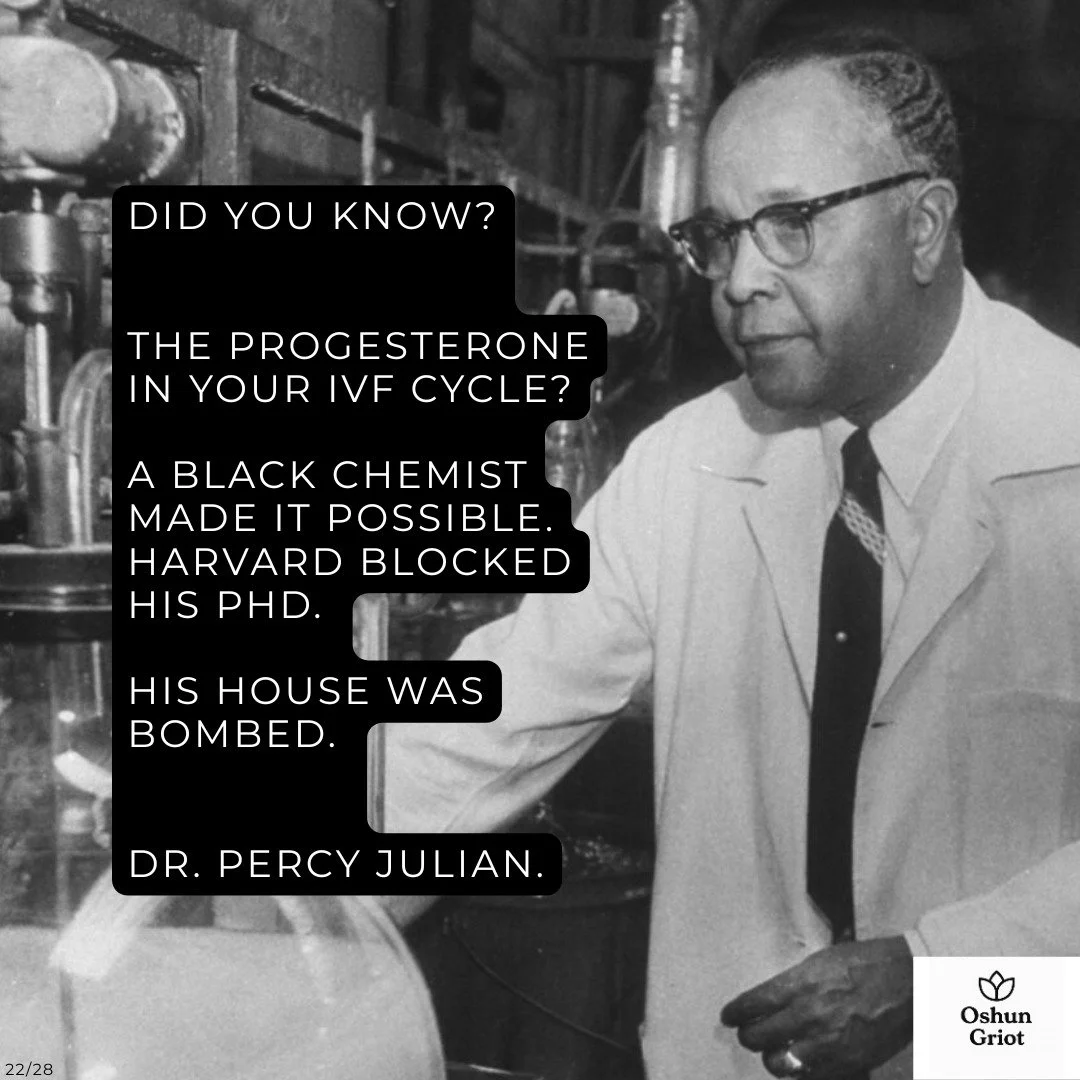
Did you know? The progesterone used in every IVF cycle — a Black chemist figured out how to mass-produce it. Harvard blocked his PhD. His house was bombed. Most people have never heard his name. Dr. Percy Julian.
#didyouknow #fertilitytok #ivfjourney #blackhistory #progesterone #percyjulian #reproductivejustice #blackscientists #fertilityawareness #ivfcommunity
Did you know the progesterone you take during IVF exists because of a Black chemist?
Dr. Percy Julian figured out how to mass-produce progesterone from soybeans in 1940. Before him? They were extracting it from hundreds of pounds of cattle spinal cords. His first pound was worth $684,000 and shipped in an armored car.
Harvard pulled his teaching assistantship because they didn't want a Black man teaching white students. He went to Vienna, got his PhD anyway, and came back to change medicine forever.
His work laid the foundation for fertility hormones, birth control, AND cortisone. Then his house was bombed when he moved into an all-white suburb in Chicago.
Percy Julian belongs in the fertility timeline. Period.
Day 22/28
@oshungriot
#fertilityjourney #IVF #progesterone #percyjulian #blackhistory #reproductivejustice #fertilitytimeline #blackscientists #IVFcommunity #fertilityawareness